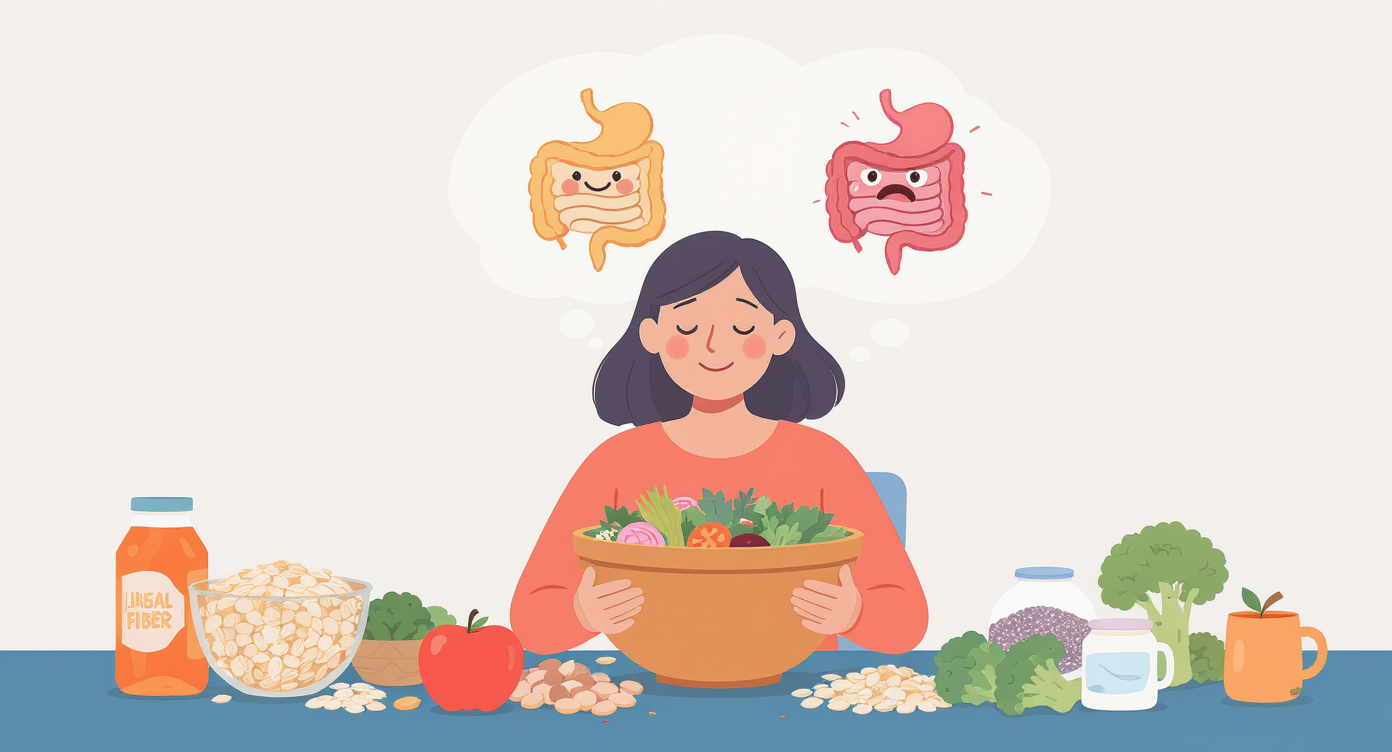
So, you’ve stumbled across the term fibermaxxing and thought, “Wait, what now? Are we bodybuilding our guts?” Yeah, that was my first reaction too. The internet loves to slap “-maxxing” on everything, and fiber got its turn. Essentially, fibermaxxing means pushing your fiber intake way above the usual daily recommendations, often with the idea that “more fiber = better health.”
But here’s the kicker: while fiber is awesome, your gut isn’t exactly thrilled if you flood it with way too much. I’ve been there — once I tried doubling my fiber intake overnight because some “health guru” swore by it. Let’s just say I spent the next two days questioning my life choices (and my bathroom’s plumbing).
So, is fibermaxxing safe? Or is it one of those things that sounds smart on paper but turns into a nightmare in real life? Let’s break it down, in a way that feels like we’re just chatting over coffee (but maybe not fiber-loaded oat milk lattes, okay?).
What Exactly Is Fibermaxxing?
Fibermaxxing isn’t an official medical term — it’s more of a community-driven trend that popped up on forums and social media. Think of it as the extreme end of “eat more fiber” advice.
- Normal fiber intake: 25–38 grams per day (depending on your age and gender).
- Fibermaxxing intake: People pushing 50, 70, even 100+ grams a day.
Why? Because fiber is linked to:
- Better digestion.
- Lower cholesterol.
- Stable blood sugar.
- A healthier gut microbiome.
Sounds amazing, right? But hold your kale smoothies for a second. More doesn’t always mean better.
Why Fiber Is Actually Great
Before I drag fibermaxxing through the mud, let’s give fiber the love it deserves.
Soluble vs Insoluble Fiber
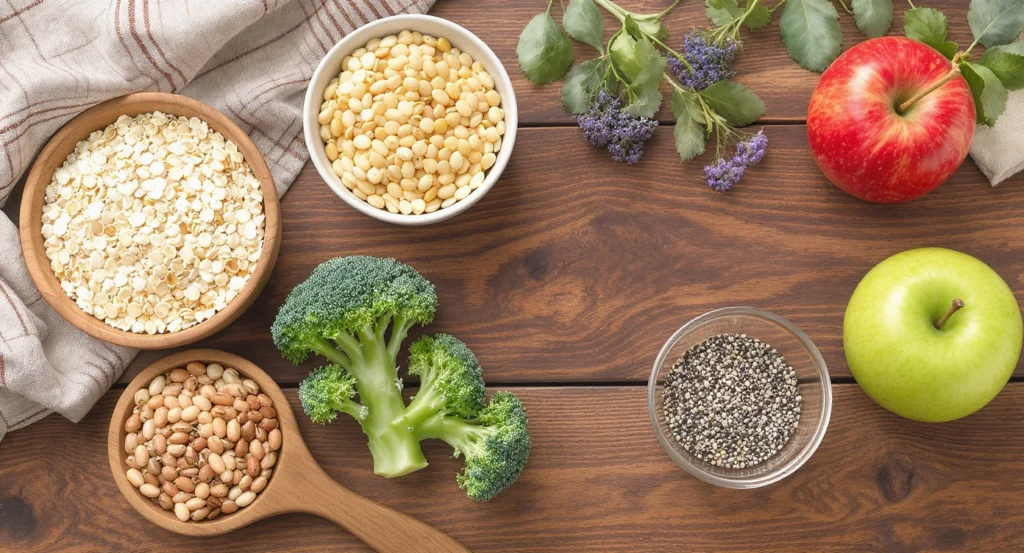
- Soluble fiber (oats, beans, apples): dissolves in water, slows digestion, helps control blood sugar, lowers cholesterol.
- Insoluble fiber (whole grains, veggies, nuts): adds bulk, speeds up digestion, keeps things… moving.
Benefits You Can’t Ignore
- Digestive health – Fiber acts like a broom, sweeping out your intestines.
- Heart health – Soluble fiber grabs cholesterol and helps get rid of it.
- Satiety – High-fiber foods keep you full longer. Translation: less random snacking.
- Gut microbiome – Fiber is food for your “good” bacteria.
Honestamente, a fibra é a heroína subestimada da nutrição. Mas, como qualquer heroína, ela tem sua criptonita: o excesso.
The Risks of Going Overboard
So, is fibermaxxing safe? Here’s where things get dicey.
Short-Term Side Effects
Eat too much fiber, too fast, and you’ll probably experience:
- Gas and bloating (your microbiome throws a literal party).
- Cramps (because your intestines aren’t used to the workload).
- Constipation or diarrhea (yep, both extremes).
FYI: I once ate two cups of black beans in a day. That was the closest I’ve come to regretting my life choices.
Long-Term Concerns
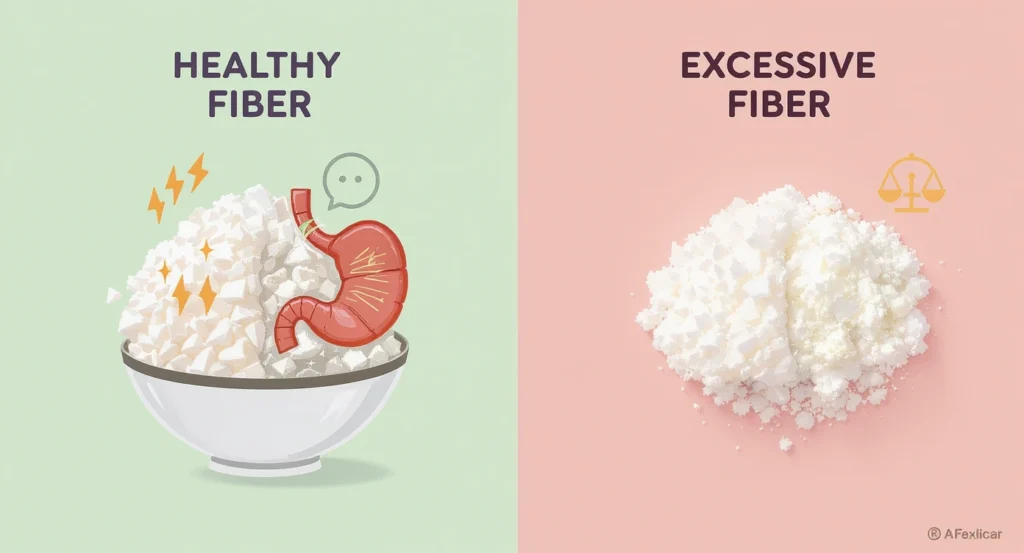
- Mineral absorption: Excess fiber can bind to minerals like iron, zinc, and calcium, making them harder for your body to absorb.
- Calorie displacement: If fiber-rich foods crowd out other nutrient-dense foods, you might miss out on protein, fats, or vitamins.
- Overdependence on supplements: Many fibermaxxers use powders or fortified products. Too much of that isn’t ideal.
Então, sim, o Fibermaxxing pode parecer “saudável”, mas pode sair pela culatra.
Finding the Sweet Spot
Instead of asking “Is fibermaxxing safe?” maybe the better question is: What’s the right amount of fiber for me?
The Golden Rule: Gradual Increases
Don’t jump from 15 grams to 80 overnight. Your gut will mutiny. Increase slowly, like 5 grams at a time, and give your body a week or so to adjust.
Drink More Water
Fiber without water is like traffic without traffic lights — chaos. Water helps fiber do its job, whether it’s bulking stool or softening it.
Listen to Your Body
Everyone’s tolerance is different. Some people thrive on 40 grams, others feel wrecked. Pay attention to your energy, digestion, and even skin (yep, gut health shows up there too).
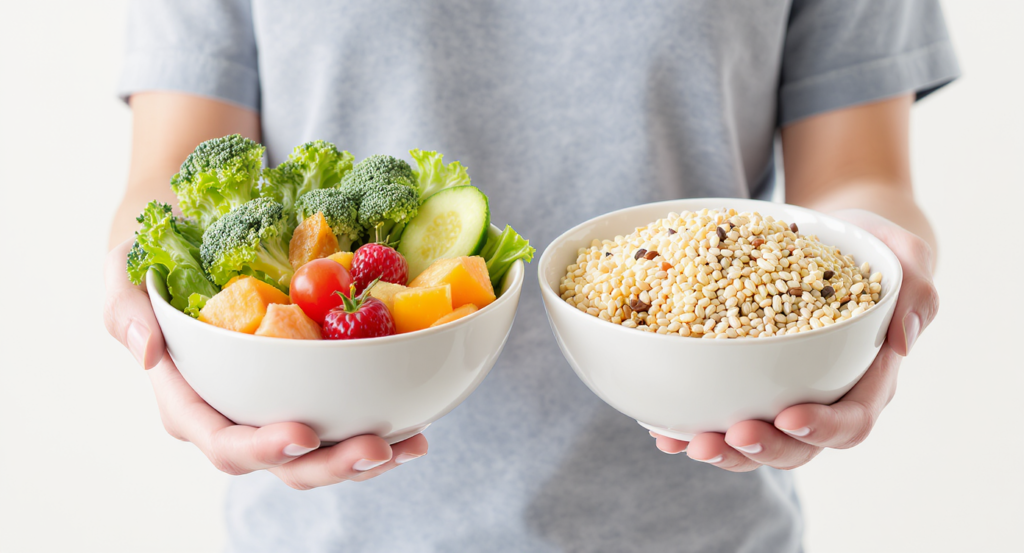
Whole Foods vs Supplements
Let’s talk sources.
Whole Foods
- Pros: Nutrients, variety, satiety, fewer additives.
- Examples: Lentils, apples, chia seeds, broccoli.
Supplements
- Pros: Convenient, precise, quick fix.
- Cons: Can cause dependency, lack of diversity, sometimes artificial.
Na minha opinião, os suplementos devem complementar , não substituir, alimentos de verdade. Use-os se estiver viajando, com pressa ou se o seu médico os recomendar. Mas não transforme sua dieta em uma maratona de bebidas em pó.
The Psychology of Fibermaxxing
Why do people go extreme in the first place?
- Control: Easy to measure grams and feel “on track.”
- Internet influence: Forums hype up extreme practices.
- “More is better” mindset: If 30 grams is good, 100 must be amazing, right? (Spoiler: nope).
This is the same logic that fuels 10-hour workout challenges and “drink a gallon of lemon water a day” trends. We humans love to overshoot.
Practical Tips for a Balanced Approach
If you’re fiber-curious but don’t want to become a walking bean burrito, here’s how to balance things:
- Mix it up – Combine soluble and insoluble fiber.
- Spread intake through the day – Don’t eat all your fiber at breakfast unless you enjoy stomach bloating by 10 a.m.
- Pair fiber with protein and fat – Balanced meals keep digestion smooth.
- Experiment – Try new foods like barley, figs, or edamame instead of relying only on bread and beans.
- Keep it enjoyable – Fiber shouldn’t feel like punishment.
A Personal Take
I used to think fiber was just “boring health food talk.” But once I started paying attention, my energy and digestion improved. That said, I learned the hard way that fiber overload is real.
After a week of fibermaxxing experiments, I realized moderation works better for me. I don’t track grams obsessively anymore. I just make sure every meal has some fiber-rich food — whether it’s oats in the morning, beans at lunch, or veggies at dinner. And honestly? That feels way more sustainable than chasing extreme numbers.
So, Is Fibermaxxing Safe?
Here’s the bottom line:
- Fibermaxxing isn’t inherently dangerous, but it’s risky if you push too much too fast.
- Balance wins. Aim for the recommended 25–38 grams and adjust based on how your body responds.
- Listen to your gut (literally). If you’re bloated, constipated, or constantly uncomfortable, that’s your body’s way of saying “chill.”
Conclusion
So, is fibermaxxing safe? The honest answer: not really, at least not the way the internet hypes it. Fiber is incredible, but mega-dosing it like some sort of digestive superhero plan usually leads to regret (and maybe fewer friends if gas becomes your new personality).
Instead of obsessing over hitting 100 grams a day, focus on building a balanced, fiber-friendly lifestyle. Mix your sources, increase gradually, and keep water close by. And please, remember: more is not always better.
If you’re thinking about fibermaxxing because you want better health, here’s my friendly tip — talk to a registered dietitian or doctor before making dramatic changes. Sometimes a little professional guidance saves you from a lot of bathroom drama. 🙂
Now, your turn: have you ever tried fibermaxxing? Did it change your life, or just your relationship with your toilet?
Be the first to comment