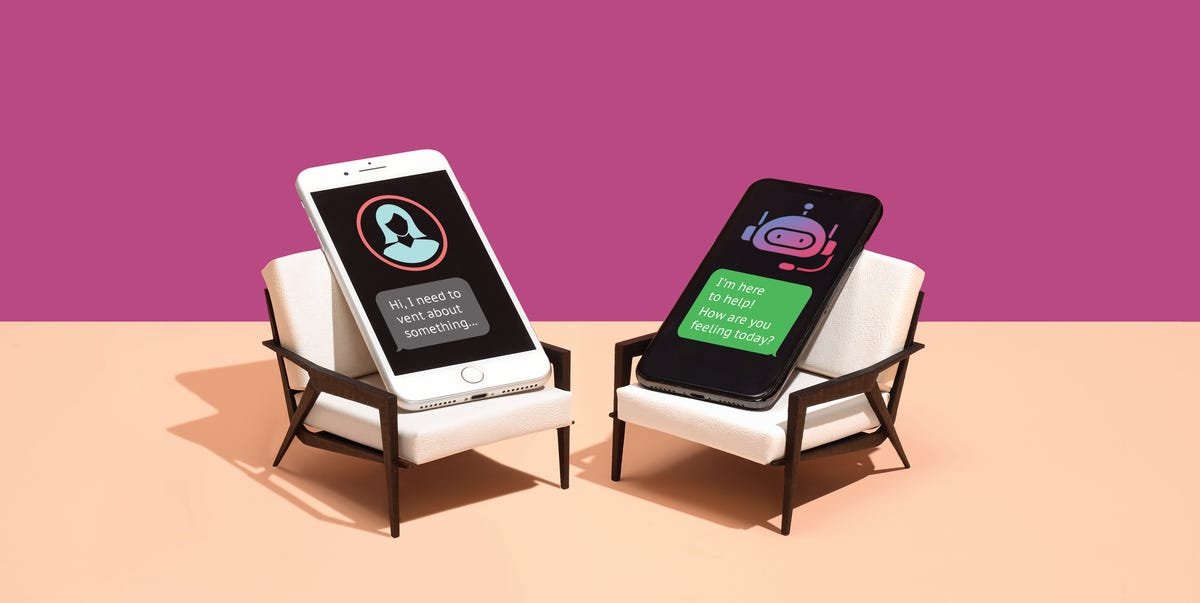
Unlocking the Potential of AI in Mental Health: Is Your Digital Therapist Enough?
Imagine sinking into your couch and starting a conversation about your stress levels with a cute little penguin on your smartphone screen. It may sound unusual, but that’s exactly what many people experience with mental health applications like Wysa. This AI chatbot promises empathetic support and practical tools to help users navigate their emotions. With the skyrocketing demand for mental health care, such AI solutions may bridge gaps in traditional therapy, but can they hold their own against good old human connection?
In the age of rapidly advancing technology, individuals worldwide grapple with their mental health. According to the National Institute of Mental Health, over 20% of American adults live with some form of mental health issue, yet many don’t receive adequate treatment. Who needs the hassle of finding a therapist, dealing with insurance, or facing the stigma associated with mental health? This dilemma leads many to explore the potential benefits of AI-powered mental health chatbots.
As a wellness enthusiast with extensive experience in health psychology, I’ve witnessed a growing interest and reliance on digital solutions for emotional and mental wellbeing. But the critical question remains: Can you rely on an AI chatbot for mental health support, and should you?
The Rise of AI in Mental Wellness
AI chatbots like Wysa or Youper are designed to provide users with immediate access to mental health resources. They utilize techniques like Cognitive Behavioral Therapy (CBT), mindfulness exercises, and mood tracking to support users emotionally. Each chatbot aims to be a non-judgmental companion, constantly available to lend an ear or offer coping strategies whenever the human touch isn’t accessible.
But while they can be helpful, these digital companions are not a replacement for human therapists. The traditional therapeutic alliance—built on trust and mutual understanding—is challenging to replicate through screen interactions. After all, can an algorithm truly understand your emotional landscape?
Why AI Chatbots Can Help
Accessibility: AI chatbots provide mental health support around the clock, which is particularly beneficial for those living in remote areas with limited access to qualified professionals.
Affordability: Opting for a chatbot can be significantly cheaper than traditional therapy sessions, a vital consideration for individuals managing financial constraints.
- Anonymity: Speaking to an AI can reduce the fear of judgment that often hampers people from seeking mental health care. You can spill your thoughts and feelings to a digital entity without worrying that someone else might overhear.
The Mechanisms Behind AI Chatbots
How exactly do these digital therapists work? Most AI chatbots blend evidence-based practices with innovative technology, drawing on vast datasets to simulate empathetic conversations.
Wysa: This chatbot employs a combination of rule-based algorithms and machine learning models. It provides users with tools for emotional regulation, including meditation, mood tracking, and gratitude journaling—all designed to promote mental well-being.
- Youper: Similarly, Youper uses not only CBT but also Acceptance and Commitment Therapy (ACT) and Dialectical Behavior Therapy (DBT) to tailor its responses dynamically based on user interactions. Dr. Jose Hamilton, the co-founder of Youper, refers to it as your "emotional health assistant."
The Limitations and Risks of AI Chatbots
Despite their benefits, AI chatbots have notable limitations. Numerous studies point to a severe lack of conclusive evidence on their effectiveness in replacing traditional therapy. For instance, a clinical trial published recently found some promise in AI tools for treating conditions like depression and anxiety, but it consisted of only a small sample. Critics argue that most research is conducted by companies that benefit from positive outcomes, raising ethical concerns about research integrity.
Moreover, many users report that the algorithm can feel "forced" or "superficial." One tester noted, “It’s trying to be empathetic, but it doesn’t really get there.” Unfortunately, this leads individuals to feel misunderstood or disconnected from their chatbot therapist.
Additional Risks:
- Crisis Situations: AI chatbots do not possess the skills to handle acute crises effectively. Users in distress may receive inadequate recommendations or be misdirected.
- Bias in Algorithms: Many AI systems can inadvertently perpetuate biases (like sexism and racism), especially when they must cater to a diverse user population seeking help.
The Human Element in Mental Health
While AI tools can supplement mental health care, they cannot replace the nuanced aspects of a human therapist’s support. The therapeutic alliance—the rapport built over months or years—often plays a crucial role in a person’s healing journey. Genuine human interactions yield therapeutic outcomes that AI simply cannot replicate.
Megan Cocco, a licensed therapist, argues that while AI chatbots like Youper can provide helpful insights, they fall short because they cannot pick up on non-verbal cues or deeply understand patient histories. Her sentiment resonates throughout the mental health community: authentic and meaningful interactions with humans are vital for complex emotional issues.
Integrating AI with Traditional Therapy
As discussions around AI and mental health continue, many stakeholders emphasize that the focus should be on integration. Hybrid models combining AI tools with human therapists may enhance clinical care and patient experience.
- Wysa Copilot: This new program integrates digital therapy with real human support, offering users a more comprehensive approach to mental health.
AI can complement human therapists by providing skills training between sessions, allowing clients to practice tools they’ve learned and receive immediate reinforcement.
Looking Ahead: The Future of AI in Mental Health
Will AI therapy ultimately replace human therapists, or will they coexist in the evolving landscape of mental health care? A central theme in these discussions is the nuanced understanding that human emotions present—something algorithms still struggle to grasp fully.
As we explore these technologies, focus on how we can use AI to enhance, rather than diminish, our human connections. The key lies in leveraging technology as an adjunct, empowering healthcare but maintaining the compassionate touch essential for emotional healing.
In summary, while AI chatbots provide valuable resources for those in need, they don’t replace the deep, trust-based relationships forged in traditional therapy settings. They serve as helpful tools—but don’t throw your human therapist out with the bathwater just yet!
So, what’s your next move? Embrace the assistance of these digital companions when necessary, but always remember the power of a real human connection. Have a therapy session lined up? Make sure to share a laugh with a real person—because nothing tops the authenticity of human interaction.
Be the first to comment