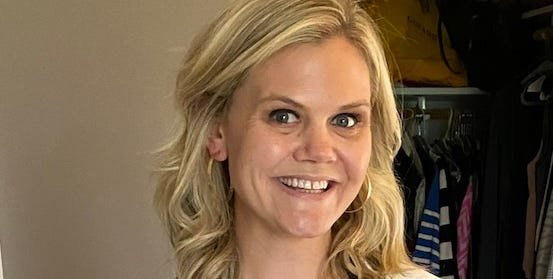
Navigating Mental Health: The Journey to Understanding and Managing OCD
When I first encountered obsessive-compulsive disorder (OCD) during my college years, I felt as though life had slipped out of my hands. A psychologist handed me a self-help book titled The OCD Workbook, and in a single night, I gorged on its pages, recognizing my struggles reflected in its lines. Was I the only person feeling this way? I wasn’t sure, but I desperately longed for answers. My mind was cluttered with compulsions—endless checking, asking, and doubting—and all I needed was a roadmap. Turns out, understanding OCD is more than just reading; it’s a journey laden with self-care, honesty, and professional guidance.
What Exactly is OCD?
Obsessive-Compulsive Disorder (OCD) can feel like an anchor weighing you down. Characterized by intrusive thoughts (obsessions) and repetitive behaviors (compulsions), individuals often understand that their thoughts starkly contrast reality. Yet, they find it nearly impossible to break the cycle of compulsion. Each year, about 1.2% of U.S. adults grapple with the disorder, according to the National Alliance on Mental Illness (NAMI).
Symptoms of OCD Can Manifest in Various Ways:
- Contamination fears: Excessive concern about germs or dirt.
- Harm obsessions: Fear of causing harm to oneself or others.
- Checking compulsions: Need to verify actions, like locking doors or turning off appliances.
- Counting: Repeating actions a specific number of times.
Each symptom can vary in intensity, causing daily disruption.
My Personal Struggles with OCD
Reflecting on my life, I can pinpoint moments when OCD began to shape my decisions. I began showing symptoms long before college—fear and anxiety infiltrated my childhood. In first grade, I quit the Girl Scouts, worried that my mother might forget to pick me up. Every outing felt burdened with dread.
Years went by. I morphed into a well-functioning member of society, concealing the chaos within. I juggled work, relationships, and—believe it or not—a career in stand-up comedy. Despite presenting a jovial façade, I battled a fierce internal struggle, often leading to moments of shame and secrecy surrounding my OCD.
Facing the Truth: A Crucial Step
After a rollercoaster of experiences, it was one particular moment that catalyzed change: collecting $300 worth of anti-HIV medication I didn’t need ignited a spark of realization. I knew I had to approach mental health care differently this time. Seeking a specialized therapist focused on OCD became my priority.
Let’s face it—being honest about your struggles with a mental health professional can feel daunting. What if they judge me? What if admitting my compulsions makes them a reality? However, as mental health expert Kelley Kitley emphasizes, many patients struggle to express their inner turmoil due to feelings of shame. But here’s the catch: once you voice those fears, you can confront them.
Building the Foundation for Self-Care
After developing the courage to establish an honest relationship with my therapist, I discovered my own strengths. Together, we engraved a detailed plan for recovery. Our solution combined traditional therapy sessions with exposure response prevention (ERP) therapy, a well-researched method effective for managing OCD.
Key Components of an Effective OCD Treatment Plan:
- Therapy Sessions: Commit to consistent sessions, allowing space for vulnerability.
- Exposure Response Prevention (ERP): Gradually face your fears to dismantle their power over you.
- Self-Care Routines: Integrate daily practices that promote awareness, mindfulness, and emotional release.
Navigating the Challenges: The Pandemic Perspective
Just when I was making progress, the pandemic hit. Suddenly, the world slowed, and with it, my OCD symptoms seemed to diminish; I stayed home, and the absence of triggers felt liberating. But, clarity came with a cost. After a few months, my old fears resurfaced, and I spiraled back into my compulsive behaviors.
Embracing Intensive Outpatient Treatment
It was time to embrace the tough love of intensive outpatient care. Who knew lockdown would present me with the opportunity to finally confront my OCD head-on? I jumped into a Zoom-based program, attending therapy for several hours each evening. Sounds cozy, right? Well, not when you’re battling internal fears.
The Journey Through ERP Therapy
Participating in the ERP sessions became a thrilling ordeal, forcing me to confront my worries head-on. The premise entailed exposing myself to those very thoughts that tormented me while resisting the urge to respond with compulsions.
For example, I often took pictures of my appliances to confirm they were turned off—a compulsion I realized I needed to tackle. During one exercise, I penned down my worst-case scenarios repeatedly. Although writing that down made my chest tighten, I pressed onward. By the time I finished, a strange lightness settled in; those thoughts were merely that—thoughts without consequences.
Celebrating Small Victories
As I walked the line between confronting fears and achieving freedom, I faced my biggest battle when leaving my apartment for the first time without taking those pesky photos. Anxiety threatened to swallow me whole, but I faced it down. I didn’t take a picture—and guess what? I drove off without incident. My heart raced for a moment, but soon, it faded, and I realized the fear was an illusion.
The Road Ahead: A New Perspective
Completing my treatment program felt like being handed a toolbox I didn’t know existed. I won’t pretend that OCD is gone forever; it would be naïve to think that. But I now have the strategies to manage it effectively. I recognize that life will throw challenges my way, and in those moments, my OCD might flare up. But mindfulness and ERP exercises empower me to take back control.
How Can You Manage Your Own Mental Health?
- Seek Professional Help: Find a therapist who understands your unique needs.
- Be Honest: Transparency in therapy helps build trust and facilitates recovery.
- Practice Self-Care: Engage in activities that promote wellness—exercise, nutrition, or mindfulness.
- Connect with Others: Sharing your experiences can be powerful.
- Educate Yourself: Understanding your condition is crucial for managing it effectively.
Ultimately, my journey has taught me invaluable lessons about resilience, self-acceptance, and the power of seeking help. Life may be imperfect, but it’s also full of promise. Seeking help and owning my truth felt liberating, reminding me that while OCD is part of my story, it doesn’t define me.
So, what’s holding you back? Are you ready to face your own challenges? Your journey toward mental wellness awaits—one small step at a time.
Be the first to comment