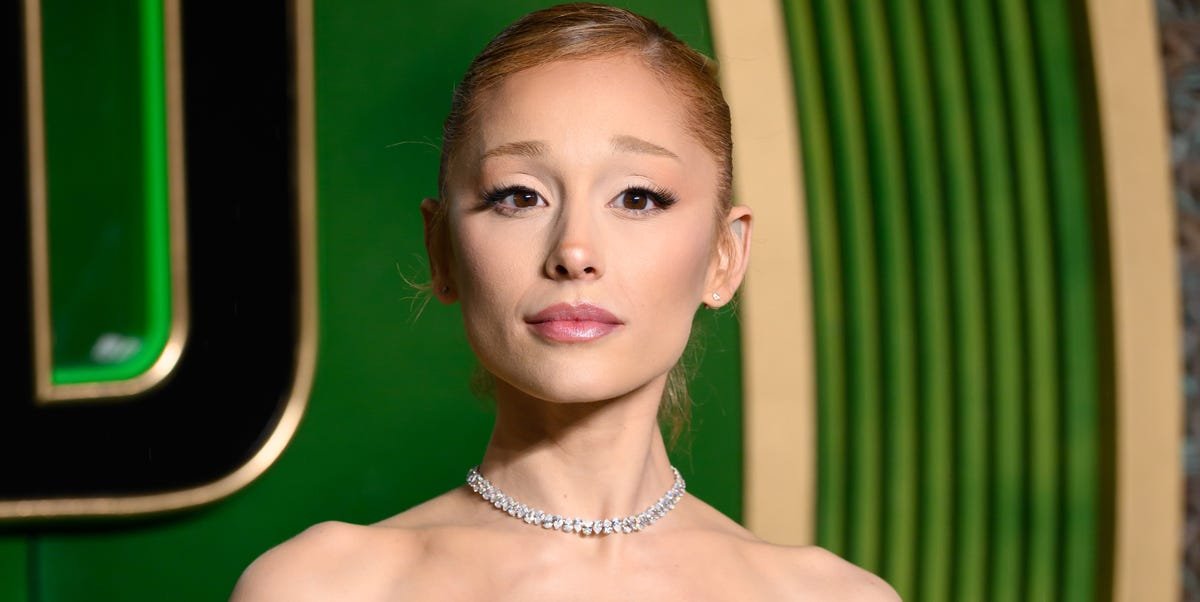
The conversation about body image and self-acceptance is more relevant today than ever. Pop culture icons like Ariana Grande highlight the struggles many face regarding societal beauty standards and personal health perceptions. Her recent plea to her fans about ceasing their commentary on her body reflects a broader need for awareness around mental health, self-care, and the importance of nurturing a supportive environment. Let’s dive deep into this topic, offering insights and practical advice to promote holistic wellness.
Understanding Body Image: The Pressure to Conform
In our visually-driven society, the pressure to meet certain beauty standards can be overwhelming. With social media showcasing curated highlights of people’s lives, many individuals find themselves caught in a comparison trap. Whether you’re scrolling through Instagram in bed or catching up on the latest TikTok trends while sipping your morning coffee, it’s easy to feel inadequate. Did you know that studies indicate that almost 70% of women feel pressured to conform to societal beauty standards? This is alarming, especially considering the adverse effects these pressures can have on our mental health.
Why Do We Compare Ourselves to Others?
It’s human nature to compare ourselves to those around us. It serves as a way to measure our self-worth and gauge our position within social spheres. However, this comparison often becomes toxic and damaging. Here’s why:
- Distorted Reality: Social media often presents an unrealistic portrayal of life, leading us to think that everyone else has it figured out.
- Self-Esteem Issues: Constant comparison can result in feelings of inadequacy and low self-esteem, which can spiral into more significant mental health challenges, including anxiety and depression.
- Fear of Judgment: Many people fear judgment from others regarding their appearance, which can lead to dissatisfaction with their own bodies.
The Importance of Mental Health Awareness
Let’s take a moment to spotlight mental health. Awareness and open conversations around mental well-being are crucial for fostering a supportive community. Grande’s candid discussions about her own body image issues remind us how vital it is to approach this topic with compassion and understanding.
Signs You Might Be Struggling With Body Image Issues
How can you tell if your relationship with your body is affecting your mental health? Take a moment for self-reflection. Here are some signs to watch out for:
- Constantly Criticizing Your Appearance: If you frequently use negative language when discussing your body, it might be time to reassess your self-talk.
- Avoiding Mirrors or Photos: If you find yourself dodging reflective surfaces to avoid seeing your reflection, this can be a red flag.
- Social Withdrawal: Do you tend to avoid social situations because you’re worried about how you look? Isolation can exacerbate feelings of inadequacy.
- Extreme Dieting or Exercise Regimens: While fitness is beneficial, an unhealthy obsession with losing weight or over-exercising can harm both your physical and mental health.
Building a Healthier Relationship with Your Body
You deserve a loving and respectful relationship with your body. Here’s how you can cultivate that nurturing bond:
Practice Positive Self-Talk
Replace negative thoughts with constructive affirmations. Instead of saying, “I hate this about myself,” try, “I appreciate how my body supports me every day.” It’s not just fluff; research shows that positive affirmations can lead to improved self-esteem and overall well-being.
Limit Social Media Exposure
Take a digital detox. Reducing your time on social media can help lessen the pressure to compare yourself to others. Consider:
- Unfollowing Accounts: Curate your feed to include uplifting and body-positive influencers.
- Setting Time Limits: Use screen time management tools to limit your social media usage.
Focus on Health, Not Size
Shift your focus from weight to well-being. Monitor how your choices affect your energy levels and mood rather than fixating solely on numbers. Engage in activities that make you feel good:
- Try New Exercise Forms: Join a dance, Pilates, or hiking class to discover what you enjoy rather than forcing yourself into traditional workouts.
- Eat Intuitively: Listen to your body’s needs rather than adhering strictly to diets or calorie counts.
Cultivate a Supportive Network
Surround yourself with people who uplift you. Have friends who appreciate you for who you are rather than what you look like. Discussing your feelings with trusted friends or even a therapist can bring immense relief and insight.
Set Boundaries
Establish personal boundaries regarding body comments. If a family member or friend makes a comment about your appearance, it’s okay to express that you’d prefer to avoid such discussions. Remember, your body is your own, and you control the narrative.
Nutritional Mindfulness
Nutrition plays a pivotal role not just in physical health but also in mental well-being. What we eat can influence our mood, energy levels, and even how we feel about ourselves. Here’s how to approach nutrition with mindfulness:
Meal Planning for Mindful Eating
- Plan Your Meals: Make a weekly meal plan that includes plenty of fruits, vegetables, whole grains, and lean proteins.
- Stay Hydrated: Drinking enough water can significantly impact your mood. Aim for at least eight glasses a day.
- Cook with Love: Preparing your meals at home can foster a deeper connection with your food. Experiment with new recipes and flavors.
Psychological Benefits of a Healthy Diet
Research shows that a balanced diet can help improve your mental health. Foods rich in omega-3 fatty acids, antioxidants, and vitamins support brain health and can alleviate symptoms of anxiety and depression. Incorporate foods such as:
- Fatty Fish: Salmon and sardines are excellent sources of omega-3s.
- Leafy Greens: Spinach and kale are packed with the nutrients your brain craves.
- Berries: Blueberries and strawberries provide antioxidants that benefit brain function.
Self-Care Rituals to Enhance Well-Being
Self-care isn’t just about bubble baths and scented candles (though those are nice!). It’s a holistic approach to nurturing your body, mind, and spirit. Here’s a practical approach to enhance your self-care routine:
- Start Your Day with a Ritual: Whether it’s meditation, journaling, or stretching, anchoring your morning in a positive act sets a good tone for the day.
- Schedule Breaks: Incorporate short breaks throughout your day to recharge—whether it’s a walk outside or simply stepping away from your desk.
- End-of-Day Reflection: Before bed, take a few minutes to reflect on what went well during the day and what you’re grateful for. This practice promotes a positive mindset.
Embrace these rituals as part of your life, choosing what resonates with you personally. Remember, there’s no one-size-fits-all approach to self-care.
Why Sharing Experiences Matters
Engaging in conversations about body image, mental health, and nutrition impacts not only your own wellness but also influences others. Sharing personal stories, like those from celebrities such as Ariana Grande, stimulates important dialogues around these topics. Your experiences can resonate with someone else’s struggles.
So, the next time you feel overwhelmed by external pressures, remember that you’re not alone. Whether you’re responding to comments at family gatherings or navigating online scrutiny, prioritize your mental and emotional well-being.
Be your own advocate. Life is too short to let external judgments dictate your happiness. You hold the power to love and accept yourself, starting today.
Let’s embrace our bodies and nourish our minds together, one step at a time.
Be the first to comment