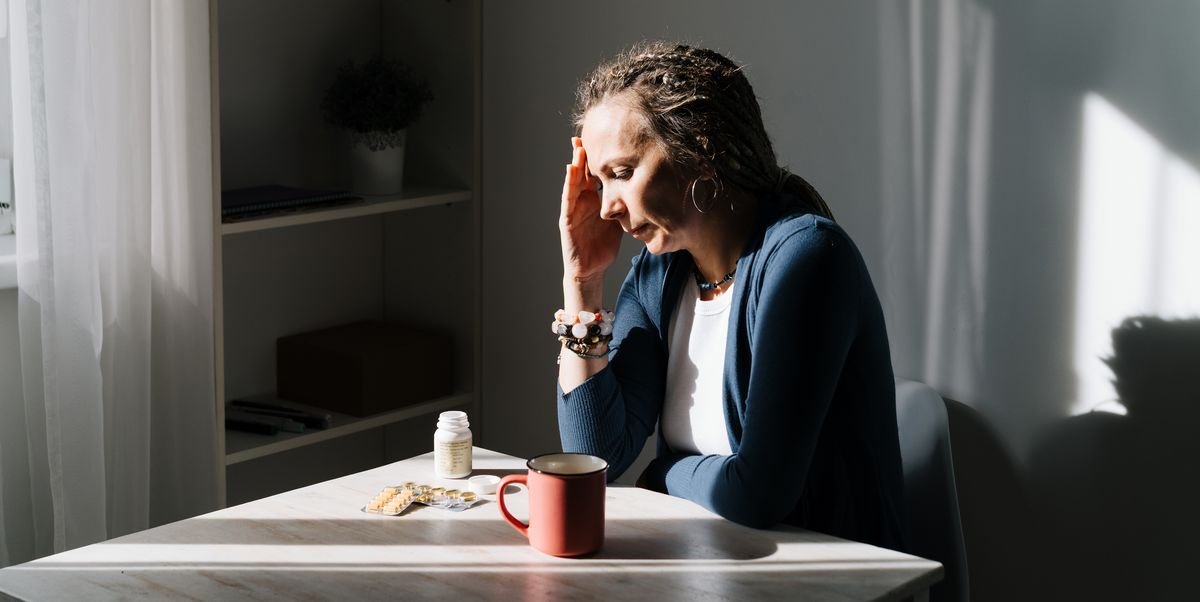
Stress has become a familiar companion in our daily lives. Whether it stems from work demands, family responsibilities, or the endless to-do lists we juggle, it’s completely normal to feel overwhelmed now and then. But when stress morphs into something deeper—like chronic anxiety—it can turn into a significant barrier to living a fulfilling life. As a certified wellness coach and mental health advocate, I’ve seen firsthand how stress and anxiety can derail even the best-laid plans.
Understanding Anxiety: A Journey into Your Mind
Before diving into coping strategies, let’s explore what anxiety really is. Think of anxiety as a heightened state of awareness—an alarm system that goes off when there’s a perceived threat. In small doses, this can be beneficial; it might motivate you to prepare for a presentation or meet a deadline. But when anxiety spins out of control, it can severely restrict your life. According to the National Institute of Mental Health, approximately 31.1% of U.S. adults experience any anxiety disorder at some point in their lives.
Now, how do you differentiate normal stress from an anxiety disorder? Here are seven signs to watch out for:
1. Avoidance or Procrastination
Are you dodging activities you once enjoyed, like social gatherings or networking events? This might be a red flag. Avoidance can seem harmless at first—who doesn’t want to skip a crowded party? But when you start giving excuses frequently, it may signal a deeper issue.
Similarly, procrastination often acts as a coping mechanism; it can feel easier to put off a tough project than confront it head-on. However, if you’re constantly missing deadlines due to anxiety-related avoidance, it’s worth addressing.
2. Second Guessing Your Decisions
Do you frequently question your choices? Anxiety often manifests as self-doubt. You might find yourself asking friends for reassurance or endlessly searching online to confirm your decisions. This constant cycle of doubt definitely weighs you down.
3. Insomnia
We all have sleepless nights, but chronic insomnia can indicate underlying anxiety. If you’re tossing and turning, unable to fall asleep, or waking up in the middle of the night and struggling to return to sleep, consider talking to a professional. A common rule of thumb is that consistently taking longer than 30 minutes to fall asleep could be a sign that anxiety is impacting your rest.
4. Stomach Troubles
If your stomach feels like it’s in knots more often than not, stress may be the culprit. Research has shown that anxiety can disrupt your gastrointestinal system. The so-called "fight-or-flight" response can trigger discomfort, leading to cramps, nausea, or loss of appetite. This connection between your gut and mind is real, and paying attention to it can be really beneficial.
5. Muscle Tension or Headaches
Stress often manifests physically. Muscle tension and headaches can be signs you’re carrying that stress in your body. If your shoulders feel perpetually tight or you often find yourself reaching for pain relievers, it might be time to examine your mental health seriously.
6. Racing Heart and Shortness of Breath
That racing heart you feel when you’re stressed? It’s your body kicking into overdrive. When anxiety strikes, your body releases hormones that speed up your heart rate, making you feel like you’re on edge even in calm situations. This isn’t just uncomfortable; it can also confuse your mind, making you wonder if there’s something more wrong.
7. Chronic Exhaustion
Feeling weary all the time, even after a full night’s sleep? Anxiety can drain your energy. Your body is constantly battling against stress, making you feel like you’ve run a marathon even if you haven’t left the sofa. If fatigue is a frequent companion, it could be time for self-reflection.
Practical Steps for Managing Anxiety and Stress
Now that you’ve identified potential signs of anxiety in your life, it’s crucial to take actionable steps toward better mental health. Here are some practical strategies that might help:
1. Mindfulness and Meditation
Mindfulness is all about being present in the moment. Techniques like meditation can help calm your mind and reduce anxiety levels. You don’t need to sit cross-legged for hours; even five minutes of deep breathing can work wonders. Apps like Headspace or Calm offer guided sessions that are perfect for beginners.
2. Exercise Regularly
Physical activity isn’t just great for your body; it can also do wonders for your mind. Exercise releases endorphins, those feel-good hormones that can boost your mood. Aim for at least 30 minutes of moderate activity most days of the week.
3. Maintain a Balanced Diet
Your diet plays a crucial role in your mental well-being. Foods rich in omega-3 fatty acids, antioxidants, and vitamins can help reduce anxiety. Consider including:
- Fatty fish (like salmon)
- Leafy greens
- Nuts and seeds
- Fruits like berries
4. Stay Connected
Isolation can exacerbate feelings of anxiety. Make it a point to connect with friends and family, whether that’s through a phone call, a coffee date, or simply texting. Sharing your thoughts and feelings can help lighten the load.
5. Limit Caffeine and Alcohol
Both caffeine and alcohol can heighten anxiety symptoms. If you notice symptoms spiking after your morning coffee or after a few drinks, consider cutting back. Sometimes, enough is enough—your mental health deserves it!
6. Seek Professional Help
Don’t hesitate to seek help from a mental health professional. Therapists can offer guidance, techniques, and support tailored to your individual situation.
7. Establish a Routine
Structure brings a sense of stability. Create daily routines that instill a feeling of control in your life. Your routine could be as simple as waking up at the same time daily or setting specific times for meals and exercise.
A Personal Note
There’s no denying that life can feel overwhelming at times. I remember when a challenging period in my own life caused me to experience multiple anxiety symptoms. It felt like the weight of the world rested on my shoulders, and I couldn’t figure out where to begin to lift it. Through trial and error, I discovered techniques that worked for me.
So, if you’re feeling stuck in a cycle of stress and anxiety, remember: you are not alone. Take the first step on your journey by acknowledging how you feel. From there, embrace self-care techniques, lean into your support network, and don’t shy away from professional help if you need it.
Ultimately, finding calm in a chaotic world is possible—it just requires a bit of patience and practice. Your mental health journey is unique, and with the right tools, you can navigate through the storms of life with resilience and strength.
Be the first to comment